Navigating the Hidden Challenges of Dyslexia
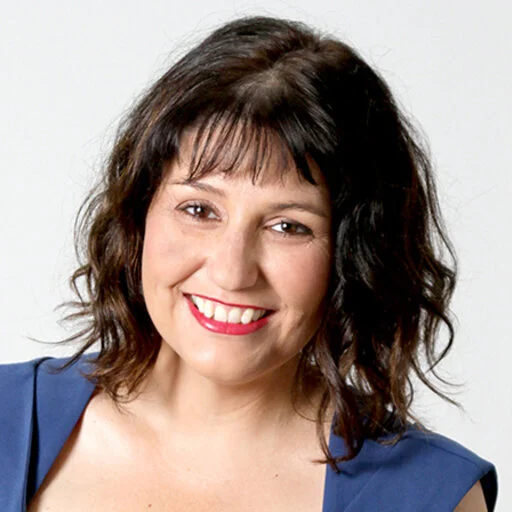
Dr. Shae Wissell
Director, re:think dyslexia
About this episode
Dr. Shae Wissell, Director of Rethink Dyslexia, joins Nic to discuss dyslexia in adulthood. Diagnosed at 27, she explores hidden cognitive fatigue, executive functioning challenges, and why low-cost tools like Grammarly and AI serve as essential workplace business tools.
Resources mentioned
- TOOLGrammarlyGrammarly is an American English-language writing assistant software tool. It started as a tool to review the spelling, grammar, and tone of a piece of writing and to identify possible instances of plagiarism.
- TOOLNotebookLM (Gemani Notebook)The AI research tool and thinking partner that can analyse your sources, turn complexity into clarity and transform your content.
- TOOLSpeechifyTurn Any Text Into Audio With Speechify's #1 AI Text-to-Speech App. For Children & Adults. Listen and Learn Without Limits.
- ORGANISATIONJobAccess - Employee Assistance FundThe Employee Assistance Fund provides financial help for workplace modifications, assistive technology (such as screen readers), specialised equipment, Auslan services, mental health support, and physical changes like ramps or automated doors.
- TOOLKaiko FidgetsProvides discreet sensory tools and fidgets for focus, anxiety, and emotional regulation. Offerings cater to adults and children, with stylish options for teens. Products are developed with neurodiversity lived experience and occupational therapy insights, supporting various daily needs.
- ORGANISATIONDear Dyslexia FoundationDear Dyslexic Foundation (DDF) is a dyslexic-led grassroots, social enterprise with charitable status. Established in 2017 it has been the leader in changing the narrative for adults with dyslexia across Australia. Since its conception, it has given a voice to the once-voiceless by disrupting the norm and making significant contributions to this space.
Transcript
(00:00)
Welcome to the Inclusive Shift, the podcast where we explore what it really takes to build workplaces that embrace neurodiversity. I'm Nic Nagtzaam and in each episode I sit down with neurodivergent professionals, leaders and experts to hear their stories, challenges and insights on creating inclusive workplaces. Today on the Inclusive Shift I'm joined by Dr. Shae Wissell. Shae is a researcher, a coach, leading advocate for adults with dyslexia.
Continues for 41 min 51 sec — read the full transcript
She's the director of Rethink Dyslexia, founded the Dear Dyslexia Foundation, and together with lived experience and public health research, examines how dyslexia shapes work, wellbeing, and opportunity across a lifetime.
Her work challenges the idea of dyslexia as a childhood issue and asks the bigger question, what happens when our systems are built for only one kind of brain? Shae, welcome to the Inclusive Shift.
Dr Shae Wissell (00:51)
Thank
you so much for having me. I'm so excited to be here.
Oh,
(00:55)
So I'd love to start with you and reflect a little bit on your own dyslexia journey. How has your understanding changed over the time, both professionally and personally?
Dr Shae Wissell (01:07)
hugely. When I was diagnosed with dyslexia at 27, I was diagnosed with dyslexia and dysgraphia. I didn't really know what either of those terms meant, even though I'm a trained speech pathologist and...
It took me a long time to understand and I'm still learning because things are changing all the time. What dyslexia really meant for myself and how I worked and how I understood the world and why I got lost all the time and why I couldn't say the big words at uni like everyone else and I struggled to spell. And then professionally before I moved into my social enterprise, it was really how do I work in the workplace? And for me, I just never fitted in.
And I always struggled. And so really it was learning a self-discovery of myself, but also how I work in the workplace and what I need as a professional as well.
(01:59)
Thank you for sharing. So dyslexia is often described as a hidden disability. What does that invisibility mean in real life, especially with adults navigating work, leadership and relationships?
Dr Shae Wissell (02:09)
What does it mean as a hidden disability?
(02:12)
Yeah.
Dr Shae Wissell (02:12)
It
is, you it's really hard and I think people, because it's, know, reading is not an innate skill. Like we innately learn to talk and to verbally communicate where we have to learn to read and we have to have the right reading instruction to be able to read. And it's just assumed that everybody can read and write. And so it's a fundamental human right. We should all be allowed or be able to read and write.
But for those with dyslexia, it's a lot harder for us to do those tasks that come so easily to the general population who don't have dyslexia. And so it's really hidden because we can hide it. My mum would proofread and edit all my work or I'd have friends or colleagues that would help me in the workplace and at uni. At school I hung out with the smart kids unintentionally so that they could sit with me and help me.
So I think we build these really amazing strategies that unfortunately conceal, or for us it's fortunate, they conceal our difficulties, but then people can't really see where we're struggling and where we can need the help. But I think there's so much shame and stigma attached to not being able to read and write. And so that prevents a lot of people from coming forward, but also there's a lot of discrimination. We see the cross-workplaces in society in general.
And, you know, words everywhere. We use them to text, we use them to email. When we go shopping, we have to be able to read something when we go out for dinner. So to not be able to do that basic functional write that everyone has can create a lot of trauma for us as individuals. And we have really great ways of concealing it, which is why it's really called a hidden disability, because you can't see it until someone has to read out loud or we have to write a paper and our words don't make sense or our sentences.
that you can really start to see it.
(03:56)
Hmm. that's difficult. I mean, if we have a bit of a think then on how that would portray in the workplace, I'd be keen to get a better understanding of maybe how it might present in the workplace.
Dr Shae Wissell (04:07)
Sure, so for, and I mean, it's on a spectrum like other neurodivergent differences or conditions, depending on what word you like to use.
partly because of whether we've got intervention when we were a child, whether we've had support, tutoring. But usually for someone who's got dyslexia, like we've got slower reading speed, fluency and comprehension because we struggle to decode the sounds, the sounds that then make those small words or make bigger words and then into sentences and paragraphs and so on. So for us, our reading speed and fluency is impacted. So for me, my Bs and Ds move on the page. That doesn't happen for everybody.
So it slows me down. So I've got to go back because I know that didn't quite make sense. So it might take someone longer to do a written task. Spelling and grammar can often be not quite right. And so that can also be an indicator as well. It just takes us longer to do certain tasks that are related to literacy or numeracy.
But also our working memory is impacted. So a lot of times people don't know that our executive functioning or working memory is impacted. So our planning, organizing, task initiation, particularly if it's around writing or reading, those remembering instructions and sequencing. So if someone gives you a verbal instruction, we can't retain it. Then we go back to our desk and we're like, what did that person just say? So often it might appear that we're lazy, we're not paying attention.
We're rushing things, but really it's actually taken us a lot of time and a lot of cognitive load that people aren't seeing in the background. And then there's other things, like I get lost all the time. I can't do left and right, so I get confused. I've flown into the wrong city before. I've gone to the airport and I read the time wrong. So there's things like that as well that people don't always see or...
associate with dyslexia because people think that it's just your letters moving on the page but there's a lot more. But they're some of the key things that you might see in the workplace. Also people working back late, coming in early, working through lunch to keep up with their workload might be another indicator as well that something might be happening for them.
um
(06:01)
Thank you for sharing. Shae your research focuses on lived experience of Australian adults with dyslexia. What patterns or inequities surprise you the most as you have listened to people's stories?
Dr Shae Wissell (06:13)
I think the financial burden that is placed on families, so getting a dyslexic assessment is really expensive. Not everyone knows where to go and get an assessment in the first place.
So there's lots of different people out there that say they can assess, but that's, you know, for what we need in school, you need a psychological assessment and some speech therapy assessments as well. So that in itself is a burden on families and then you need ongoing tutoring and speech pathology support. And so that's at a high cost. And so a lot of families kind of for that ongoing intervention. And we know that intervention is the best way to help improve our literacy skills.
So as someone who was diagnosed an adult, I didn't get that opportunity. So that financial burden for me was really around how to get assessed rather than the intervention aspect of it. That was one of the key ones. I think um the inequity between neurodivergences or conditions. So uh there's no funding for dyslexia. There's no funding support. The only funding at the moment is job access, which is a government funded workplace program that we deliver.
But as a child and a family going through the system, you know, again, that parent has to be reliant on that ability to pay. And, you know, there's that lack of recognition of dyslexia as we progress into adulthood, where we're seeing a lot more around autism. There's the National Autism Strategy. We're seeing the ADHD Center Inquiry, huge shift around medications at the moment that we're seeing, which is fantastic.
But there's definitely an inequality between the conditions and the support that's given at the moment, knowing that literacy is a basic human right and if you can't read and write you can't progress, you can't hold down a job, things can become really hard for you. So I think they were two of the key ones. And just that it is hard from the start and it doesn't go away.
And so the challenges are different as we progress into becoming a young adult and then into adulthood, but being able to manage our own finances, manage relationships, retain a job, all those things become hard if you don't have the right supports in place. When we see those right supports, and we saw it within my book, that, you know, that resilience and when the supports are in place, people really do shine. But there's an inequity around how we access and get those supports at the moment.
And really just that there's a significant lack of awareness around dyslexia. This is my ninth year working in this space and it's only now I'm getting to be on podcasts like yours, Nic, where I get to talk about it. I think I've been on maybe 10 podcasts in nine years. Could be my bad promotional skills. I now have a PR pack, which is helpful. But you know, the conversations weren't around pre-COVID. And so...
we've seen those inequities kind of flow on, we're starting to have these conversations now, which is really exciting.
(08:59)
right,
there's probably two things that I took away from that. COVID has definitely helped with respect to understanding yourself and understanding Neurodivergence in general. A lot of people...
have spent that time in lockdown really understanding themselves more, which is good, but at the same time has then put added stress on our mental health platform here in Australia, right? And even across the globe. I think in the UK, you can't be assessed for like five or 10 years. It's absolutely disgusting.
Dr Shae Wissell (09:09)
you uh
(09:28)
as a as a an adult you're or even a uh young child being diagnosed and getting support either through dyslexia or even an ADHD at the moment it's very expensive and there is no funding to support you after you are diagnosed as you mentioned which is which is extremely challenging I think the the
The beauty of what they're doing with the ADHD one at the moment in training GPs to be able to have diagnosed and prescribed is phenomenal because that takes away a lot of the burden of trying to get into things like pediatricians, which again are an added expense, which you can't even claim if you do have NDIS funding. ah if you don't, you're seeing them maybe once a quarter or once every six months, that's 300 plus dollars that you've got to fork out, which some families
families
can't afford.
Dr Shae Wissell (10:19)
No.
As you were talking, I was just thinking, know, dyslexia co-occurs so significantly with ADHD, which I was recently diagnosed with, but also autism as well and other learning difficulties. So you've got that layering complexity of more assessments, more specialists, more allied health.
more pediatricians trying to get in for medication like there's this overlap of Additional complexity that I don't think's been spoken about enough at the moment And so you're looking at you know five to ten thousand dollars in assessments. We hear some families are going through because they just need those answers so then they can get funding if they have autism so they can get on NDIS and that's a whole different complicated Ball that we weren't don't want to talk about today, but
you know, the inequities are layered between the conditions and within each condition and the fact that they actually co-occur so highly that, you know, there's this compounding factor that's not spoken about at the moment, but it is fantastic. GPs now with the just sitting Victoria are going to be doing it as well, which is great around ADHD. And I really hope at some time, point in time before I retire.
that we get some type of centre inquiry into learning difficulties as well and have that open conversation so we can get to reduce some of that financial burden because it is so much money for families and for adults to get that support.
(11:41)
Absolutely, I remember ⁓ my son's not currently diagnosed with dyslexia, but we had to go through those assessments earlier last year and I think it was about $2,000 and that was just to go there's a possibility but then he has to go through and do something like the MacqLit program for a minimum of six months and then be retested so you've got
you know, a plethora of tests you have to do, you then have to wait six months or more and then be retested at an additional five to six hundred dollars and that's, you know, what
Dr Shae Wissell (12:18)
It's disgusting.
(12:22)
families can't afford that. That's just crazy.
Dr Shae Wissell (12:25)
The DSM-5
is so ridiculous. For those who don't know it, it's a diagnostic ..mental health manual that all these conditions sit under. And that's right. You have to have had six months' intervention to demonstrate that it is dyslexia. I'm an adult. I haven't had six months' intervention. So we've got all these adults that are being diagnosed that, you know, we don't fit that DSM-cry...
five criteria of having a six month intervention plan first. So um they really need to remove it. But what we offer at Rethink Dyslexia is a screening tool for adults done with the clinicians or our lead psychologist. And we've just brought on a new speech here at the moment. And that's at $650. And that's really to give people an indicator of the likelihood of dyslexia. Because we don't always need a full psych assessment and language assessment because we're not in the education system anymore.
And so a lot of adults come to us because they just want to know the children are being diagnosed, they've struggled all their life and they just want that confirmation rather than self-diagnosing that yes, this is what's happening for me. And so we've tried to keep it as low cost as possible and then we're able to use that report to get job access funding so we can offer that one-on-one support, so that kind of wraparound service because we know it's just so expensive and an adult...
It doesn't always need that full assessment even though we give the option and we explain both pathways and what's the value for either or. But a lot of times adults just want that confirmation that yes, that's what's been happening for them.
(13:51)
So, Shae, you speak so openly about how dyslexia intersects with other mental health or even neurodivergent diagnoses. What do people often underestimate about emotional and psychological toll of navigating those systems that aren't really designed for their brain?
Dr Shae Wissell (14:07)
That is a really great question and thanks for asking it because it's very often overlooked and it was a really strong factor in my research and also my personal story.
don't know trigger warning, but when I was diagnosed, I had my hopefully first and only mental health breakdown where I was actually suicidal in and out of hospital for a little while and became quite unwell and with medication and therapy and really strong, my mum and family support, you know, I was able to get better. But my story when we go to talk and present, it's not unique. You 47 % of people with dyslexia have attempted suicide based on international research. We know they're twice as likely to have anxiety and depression.
Burnout's a big thing that we don't talk about a lot. We hear it with other neurodivergent conditions, but we're definitely seeing people come to us and they are burnt out because they haven't had the right tools and resources. And I think people just don't understand, unless you're neurodivergent, a lot of times, like it's hard to understand that mental fatigue, because everyone's tired. Everyone feels, you know, a little bit burnt out. They're juggling multiple things. But I think...
The challenge for us is we're juggling all those multiple things, plus we've got this layer of complexity where the environments aren't set up for us. And so then we're having to put in extra, extra effort. And that's that hidden part again, that cognitive fatigue that people don't see that, you know, has that full effect and can build up to burnout and poor mental health and wellbeing. So that's kind of what can happen to us.
I think it is the burnout and but also the self-esteem, like a lot of the research and a lot of the people we talk to, know, they've been labelled from such a young age that dumb, they're stupid. Through my research, someone was asked, what's it like to have an intellectual disability?
So those labels are really really sticky and they're hard to shift and so as we transition into adulthood and in the workplace if we've had those negative concepts told to us, you know, then when you start to get feedback in the workplace or things aren't going right it can seem like we're overreacting and we're not regulating our emotions ah as well as we could be because we've had all of that negative, those negative concepts for such a long time and sometimes it's really hard to see your strengths and there's all this conversation around strengths and you know
superpowers and I've written a whole paper on it because we all bring our own strengths but sometimes it can be really hard to find those or be in an environment that allows you to draw on those because we're in this deficit model and we don't have the tools to help us. So in the workplace it can lead to us disengaging or people just leave their jobs or they're terminated and lot of times we work with people that have been performance managed because of their dyslexia which you can't do.
But they come to us and then we work through and take out anything that's related to their dyslexia because you know can't be performance managed on your disability. But it's really tricky and so whether it's in the workplace or outside I think that lack of understanding and awareness. Even in my own family they still say why can't you send that text with a nicer starting point? know why can't it be more friendly? Why is it so direct? Why are you so blunt? And I often get those comments.
And again, you know, that's always sitting in the back of your subconsciousness. I'm blunt. I'm rude. You know, why can't I just say something at the beginning rather than just get to the point? Because in my head, I can't do a beginning. I can only have the point. And so that can all interplay into how we feel about ourselves. And we're doing a lot of work at the moment around creating resources around burnout and self-management and self-awareness and
strategies used to help around that because it hasn't often been talked about from a dyslexic perspective and hasn't really been recognised in the past.
(17:43)
I um often find that people...
try and mask as much as they can when it comes to the bluntness of being... I think it's very common across a lot of different neurodivergent diagnoses where you just say it how it is. I think autistics have been said to be canaries in coal mines for example, but I think that again comes across the entire
Dr Shae Wissell (17:52)
you you
(18:06)
neurodivergent spectrum where...
If your brain works a lot differently to the neurotypical individual, you'll quite bluntly tell people that this is wrong and you should not be doing it this way. So it's very insightful.
Dr Shae Wissell (18:22)
Yeah,
and it's hard because I think, you know, part of that working memory is retaining something in the instant. And so if we've got an idea or thought in the instant, we just want to get it down because we don't want to lose it.
It's like people, know, they say, people with ADHD, often interrupt the flow of a conversation. It's because we've got a concept or an idea we want to share and it's hard for us to hold it in because it will go. And then we're like, well, what was I thinking about? Now I've lost the conversation point and now I don't know what's going on. So we automatically just say it. And that's just how our working memory is. you know, within our societal constructs, that's rude or the way we talk is rude or the way we send an email is rude. But really, it's just our brain can't retain that information.
for long enough to fit into the way that society wants us to.
(19:07)
No, I agree. So then in the workplace, dyslexia is frequently misunderstood and generally minimised as well. So what are the most common myths that you see employers clinging to?
Dr Shae Wissell (19:18)
We don't have any dyslexics in the workplace
(19:21)
You
Dr Shae Wissell (19:22)
and I think that's partly because
Because we've seen so much around autism and ADHD, you know, in the last five years and more with autism, the community's really been strong at advocating. There's a lot we could learn from the autistic community. I think that they think the prevalence rates are not there. So people are really shocked when they hear that dyslexics are around 10 % of the population overseas are saying up to 20%. So that's probably the first myth is that they think we don't have dyslexics in the workplace.
And then when we ask them the prevalence rates, usually it's ADHD or autism first and then dyslexia. So that's always interesting to see that response. I think also because people really do believe that it's letters flipping on the page or some of those myths that they don't understand. There's that working memory challenge that we can get lost with left and right confusion. We can't retain numbers. If you give me six digits, I'll tell you to and then, you know.
I'll be lucky if I can remember the other four. So I think that verbal understanding and I think also because a lot of times dyslexics present really well verbally. So we can have really articulate conversations and have great ideas but it's when we go to put them on paper that it becomes distorted and confused. And so for some managers that there's that mismatch of expectation because you're highly verbal. You really know what you're talking about. But then when you go to put things on paper it's there's that mismatch. So I think
There's lots of misconceptions around what dyslexia really is, but also that it takes a lot of money to support someone that's dyslexic or neurodivergent in the workplace. And we really know that that's not the case. We don't need huge physical adjustments to the work environment. It's usually tools and strategies, extra time, flexible working arrangements, being able to turn the lights off like my... had to turn the lights on before and I haven't turned them off. Usually I sit in a bit of darkness.
So they're really minor adjustments that most of the time if you've got a diagnosis job access can pay for anyway. So I think sometimes I think there's a real cost to supporting a dyslexic when that's not the case and that people can't do the job. And again, that's not the case. If you've got the right supports in place, know, 90 % of the time you can. Sometimes the job isn't right and that's just because the job's not right.
And we have to accept that as well, but 90 % of the time, you know, we can do the job with the right tools. .
(21:37)
I agree. think there's so many different tools that can be
put into place to assist with someone that's dyslexic. Grammarly is one that comes to mind for me and I use that frequently myself just because I've never had great grammar in my entire life, but it's been extremely helpful. I think the other one that I, as I mentioned before, we jumped on that I use frequently is Notebook LM. And that's purely for me to
to be able to ingest a lot of text in a different format that helps me better understand and learn as opposed to reading walls and walls of text which just makes my brain go, no.
Dr Shae Wissell (22:18)
Especially journal articles. If you mix numbers in with words, I fall asleep.
I
(22:22)
Yep.
Dr Shae Wissell (22:23)
used to be lucky to read two pages of a journal article and then I'd wake up like, oh my gosh, I've been asleep for an hour. So yeah, there's so many tools now. It's just, mean, if we say copilot or chatGTP , really gold standard for dyslexic because they help with scaffolding, how we write things, you know, we can dictate into it and it can put our words into sentences that make sense. There's lots of tools now, even Siri.
I'm always asking Siri how to spell a word. So there's lots of things now that 10 years ago we didn't have, five years ago even. So this is an ultimate time really for I think a dyslexic because there's the tools now to really demonstrate that we can shine and that we can do these jobs. And as the world changes as it is so rapidly, those soft skills in the workplace are gonna be needed more and more.
skills that AI can't do right now and I think that's where dyslexics really shine and really thrive and so it's been able to leverage those skills as we transition into this new working style of AI and whatever else comes down the line in the next five years. Next two, next year.
(23:28)
or even the next two.
I agree, I agree. So you've worked with both individuals and organizations. What separates workplaces that genuinely support dyslexic employees from those that are well intentioned but ineffective?
Dr Shae Wissell (23:50)
I think usually it's because somebody has a child or a family member or has worked with a dyslexic before. So they have that empathy, they have that understanding that with the right tools this individual can
Shine and we were able to do a bit of research on managers through my doctorate and it was only a very small sample size but they'd all had exposure to dyslexic either employees or children and exposure to their own children. had children that were dyslexic so they understood the struggles really well but they also understood the strengths and that there were a lot of strengths and so that's where we've seen organizations really thrive is where they've seen those strengths they've been able to work
within the strength-based framework where you're bringing the whole team together, you're not individualising people. And where organisations have empathy and actually really care for their staff rather than a ticker box. And we've seen some really amazing organisations that we've worked with, but there's still a lot of change that's slowly occurring. There's still a lot more that needs to be done.
(24:57)
One of my lecturers recently taught taught us to lead with empathy in a very unconventional way. He handed us juggling scarves and taught us how to juggle in class
Dr Shae Wissell (25:07)
you
(25:08)
and said, you know, if you can't physically get your hands to work together to juggle scarves.
then why would you expect an individual to be able to adapt or adopt a change in the way that they work,
Dr Shae Wissell (25:20)
you
(25:22)
in the way that you're trying to implement a change within the organisation, immediately. You're not going to, you can't expect them to. So if you can lead with empathy and reflect back on, I couldn't get my hands to work together, then I shouldn't expect this individual to be able to do everything immediately. Then...
you're giving yourself and the individual more time but also more compassion in being able to support and work with them at the same time.
Dr Shae Wissell (25:51)
Because no one comes as a full, complete, 100 % package of perfectness in the workplace. Nobody. You know, CEO doesn't, your ground staff. Everyone has to learn the job role. You come with a set of skills, but you've got to learn the culture, you've got to learn systems and processes and all these other things. And that takes time for anybody. But when you're neurodivergent,
If you're not able to disclose at the start or you're not asked the questions of how do you like to learn, how do you like to work, what's your best working style, if those questions aren't asked at the start, then you know you're already up against some challenges and you're already having to put these workarounds in that make life harder for yourself. But yeah, we're all learning, we're constantly learning. And so in a work environment, it's the same thing and there shouldn't be an expectation that you should know everything straight away.
But yes, I think it's what's the missing piece is empathy at the moment in the workplace and I think in society in general. And I think, you know, when you really can try to walk in someone's shoes, that's when the magic kind of happens.
(26:52)
I
agree. So then for leaders listening who may be dyslexic themselves or how do you see dyslexia shaping leadership styles including strengths and challenges?
Dr Shae Wissell (27:04)
You know, it's a really interesting question because we don't see a lot of dyslexic leaders, particularly women coming out. I mean, we see a lot in the UK, know, made by dyslexia, talks to lots of dyslexic leaders. But, you know, could you name one in Australia? Most of the time people might be able to name.
We're doing a little bit of work with Vincent Fantuso at the moment, who's a famous Australian artist who's dyslexic. But it's, you know, it would take you a couple of minutes probably to see if you could think of an Australian leader. So I think that's one of the challenges at the moment is having more leaders speak and we're having our first International Women's Day event where we're bringing dyslexic and neurodivergent leaders to come together to talk about exactly that question. You know, how do we, how do we support leadership? Because
You know, as a leader, sometimes I can be quite chaotic. I'm much better if I'm on my ADHD medication. My whole team has noticed a huge difference that I'm more processed and structured compared to when I don't take it. So I think it's really understanding yourself as an individual and knowing that actually I'm quite unstructured. And so that can be quite unsettling for some staff members. So if I go into a meeting...
and I jump off the agenda and I'm thinking of all these crazy ideas of what I want to do. That can be really daunting for someone whose brain doesn't work in that way. So it's really understanding the way you work and how sometimes we do have to adjust, you know, whether when you're neurodivergent or not, we adjust the way that we communicate, the way that we do things. so understanding where our own strengths are, which we have many usually as a leader, it's the problem solving, the big picture thinking, the strategic thinking, networking.
being able to bring people together, there's some of the key strengths that we often see, that resilience piece as well. But sometimes our processes and the things we do and the way we get things done can be really different and seem chaotic to other people, even though it's fine for us. So I think it's understanding ourselves and where those downfalls are that can be a downfall. So I'll always get someone to proofread something that's really important, because I know I'm going to miss things. So, you know, putting some of those strategies in as well.
so that you're reducing the burden on the team because sometimes it can become a struggle for the team if you're not managing your own neurodivergence, if that makes sense. And burden's probably not the right word. That makes it sound really negative. But if we're not managing our differences, it can impact other people. I mean, my husband gets very frustrated. I can't find my wallet all the time.
It doesn't matter where I, it doesn't matter. says, why can't you just put it in one place? My brain just won't put it in one place. just can't. So knowing that like as a manager, it's more what can I do to help my team so that they can manage and they can get on with their job and that I can support them in the areas they need support with.
(29:46)
I can
never find my wallet. could never find... Sometimes I can never find my house keys. I'm like, where are my house keys? Are they in my bag? Are they still in the car? I don't remember.
Dr Shae Wissell (29:57)
In the car usually, that's why
everything's electronic in our house. We have a code to the gate, we have a code to the door. We have a keyless car. So that's actually taken a huge cognitive burden off and at least most of my cards are on my phone now so I can't find my wallet.
It's okay, as long as I don't lose
(30:15)
Yeah.
Dr Shae Wissell (30:15)
my phone, that's the main thing. But yeah, and it's really frustrating. Put your phone down, go to do something, and then you're like, where is it? And then I'd lose 10 minutes just trying to find where I put my phone, because I just can't remember. And it's in the wardrobe. I swapped, put my shoes on or something. And so that's the cognitive load that people don't recognise. It's all that extra time we're putting in, whether it's writing, finding things, all those other...
day-to-day things because at work I'm super organized. As soon as I turn my computer off it's like my brain's just like I don't have to work in that structure now and I'm just gonna let it all go to
(30:47)
Yep.
Dr Shae Wissell (30:50)
my family's detriment. you
(30:52)
And I, uh, I had-
a great example yesterday so my son or both my boys wear fidget rings at school because it's not
seen as a jewelry it's seen as a way for them to fidget without distracting the other kids but my son misplaced his on Monday evening and he was like I can't find it I don't know where it is and my buddy will have to find it after school and he ended up finding it in like one of his hats in his wardrobe
Why? He's just like, don't know, found it though. I'm like, well that's good.
Dr Shae Wissell (31:27)
Why yes, well, he's probably swapping something over.
I love
(31:31)
Yep.
Dr Shae Wissell (31:32)
those fidget rings except I was presenting and I was fidgeting with it so much it and flew into the audience.
(31:38)
You
Dr Shae Wissell (31:41)
But I normally just have my rock that I fidget with during the day or in a rubber band but the fidget rings are great but yes it's that you know that and then you're stressed because you can't find it and you're thinking about it what have I done with it? Leaving keys in the car all the time was always an issue not locking the car.
All those things. um um
(32:03)
Absolutely. So then, through your coaching work, what are the most transformative shifts that you've seen when dyslexic individuals move from self-doubt to self-advocacy?
Dr Shae Wissell (32:13)
Yeah, we've been doing a lot of evaluation on our program at the moment. And I think a lot of people come to us in a state of stress.
self doubt, they can't do their job, they're not meeting KPIs, there's lots happening for them. Often they're late diagnosed, so they're trying to understand their diagnosis as well and what that means for them. So there's a lot happening. And I think, you know, we spend three to four sessions and that's usually enough for an individual to learn new tools that will help them reduce some of that load, learn how to outsource where they can again to reduce some of that load.
And, you know, a lot of times people say it's life-changing just having someone else with lived experience to talk to that understands those challenges and that can empathise, relate and acknowledge that it is hard, you but that there are the tools and there are tools that will reduce it and it won't, it's not always going to be this hard.
And so for us, you know, the feedback has been for some that it's life changing. And, you know, it's really just that peer support. think that's the most important bit. Majority people said having a neurodivergent person to work alongside has been the most helpful component of it. And we don't know what we don't know. And we get stuck, like, until my mum passed away, like, she was my go-to for everything. She would read everything.
That was I didn't use tools. I just had my mom and I would put her under significant pressure She had she was a principal. She would drop everything To read my work or to help me same with my sister. She used to find me on a malways That's how old we are. Some of your listeners might not know what a malways is uh if you don't look it up from Google uh
(33:56)
I know what they are.
Dr Shae Wissell (33:58)
I'd have to call my sister in the phone box and try to explain to her on the mailways where I was. So then she could try and explain to me how I was supposed to get out of the place that I was lost. Like, you know, the stress for everyone is huge. And so being able to reduce some of that stress for individuals is so important. And I'm also, you know, encouraging that mental health support. We have a mental health clinician that works with us, but also, you know, seeking, whether it's your EAP service or accessing accounts or a psychologist to work through.
A lot of the trauma that's attached to it, educational trauma that's associated with being dyslexic and then just the traumatic events that have happened to us where we've been humiliated, felt shame, you know, it's always really helpful to be able to unpack that with a psychologist and get some really good strategies around that as well. we've just seen so many positive outcomes and I don't think it's us per se.
Well, it might be, but it's more I think it's just that understanding from a peer and that there is support and strategies out there and that it's not hopeless, that there is help. And you can succeed, really. That's the...
(34:58)
Yeah, no. Absolutely.
Many organizations unfortunately don't have things like employee resource groups for neurodivergence or even communities where people can reach out and ask for support. But those that do have them, I think they are starting to make a real difference because you do have that ability of either raising awareness for conditions but also the ability to just reach out for support or guidance from peers that are in a similar situation.
well.
Dr Shae Wissell (35:29)
Yeah, and it just makes you feel like you're not alone.
A lot of times it can be really isolating when you're diagnosed. Your children might have it. You might be in a parent group. might be, know, so sometimes that might be helpful because you connect in with other parents, but it can be really isolating in the workplace because if you don't know someone else is dyslexic or someone else is neurodivergent, then, you know, you've got no one to talk to. And it's like, well, do I share it? What will people think? Are they going to think I'm dumb? And so there's you...
It's isolating and so being able to talk to others helps reduce that and makes you feel more connected and makes it normalise that you're not dumb, that
(36:07)
Yeah.
Dr Shae Wissell (36:08)
it's okay and there is help out there for you.
you
(36:12)
agree. So, Shae, you've built platforms like Rethink Dyslexia and the Dear Dyslexia Foundation that centre around lived experience. Why is storytelling such a powerful tool for systems and change?
Dr Shae Wissell (36:27)
Well, I think that it hasn't been acknowledged enough and we're just starting to see the power of storytelling come through and lived experience through research. You know, it's an evidence base as well, storytelling. And, you know, that's how we started because I felt isolated. My family was sick of hearing me talk about it. I didn't know anyone else at the time, even though now we know it comes from my dad.
Most of my best friends are neurodivergent, but I led the way in that sense. But I was really isolated and I was listening to podcasts in America and I thought, we don't have anyone in Australia talking about it. There are no adults at the time when I started our podcast, Dear Dyslexic, in 2017, I think. And so through storytelling, we're able to connect, we're able to empathise, we're able to...
walk in someone else's shoes for a little bit as well. And, you know, someone contacted me, I don't know if I was telling you, who's 64, he was riding his lawnmower listening to our podcast and it just made him feel more connected and not alone. And I think that's where the power of storytelling is. And I I think it enables you to self advocate and it enables you to be heard. And everybody's story is different. Everyone's story is unique. And when we talk,
We always open with that, that everyone will have a different experience of living with dyslexia or neurodivergence or having a child that's neurodivergent. But it doesn't take that away. Everyone's story is important and everybody deserves to be heard. And I think through our work, we've given a platform to adults that have never had a platform before to share their story. And I just hope we continue to be able to do that because it's through storytelling that I think real change can occur. And that's...
You know, can't take away someone's lived experience.
(38:15)
No, it's very true. So then if webplaces truly embrace dyslexia or dyslexic thinking, what do you believe would change, not just for individuals, but for innovation and decision making more broadly?
Dr Shae Wissell (38:30)
Well, if you look at Made By Dyslexia, if you don't have a dyslexic in your workplace, you are missing out.
Productivity, innovation, I mean, we need innovation now more than ever. I think the world is changing so quickly and dyslexic brains are able to keep up with that pace and we innovate, we ideate all the time and I think, you know, part of it is probably because we've been in environments where, you know, for me, I don't think we're born with these strengths. This is my own personal view. We're not born with these strengths. We build them over time because we're practising, practising, practising like a...
basketball practices every day. We've got to practice not being seen. We've got to practice people not knowing that we're different. So we build these really creative ways of doing things. And I think that's where, you know, we're so creative in coming up with ideas. And I think that's what workplaces need to stay relevant, to stay productive, to be meeting their profit margins. Dyslexics have a way of doing things that others don't.
We see things in different ways. A lot of people see in patterns and 3D ways that I don't really fully understand. But, you know, there's that strategic thinking and that creative problem solving that's really important. And I think, you know, every workplace should be valuing those skills if they want to survive and thrive as we transition into this new era that we're seeing at the moment.
(39:50)
I agree. So then turning the mic over to you, do you have a question for me?
Dr Shae Wissell (39:54)
No, I think it's more just a comment of thank you. Thank you for
(39:59)
Okay.
Dr Shae Wissell (39:59)
your podcast and thank you for, you know, having me on and for letting me ramble on about dyslexia. Because I think, you know, the more opportunities we have to have these conversations, you know, the more we'll be able to reduce some of the myths and misconceptions around dyslexia in the workplace and dyslexia in adulthood in general.
(40:20)
Yeah, absolutely. So then finally then, Shae is there a message that you wish leaders or HR teams or even policymakers would like to take away from what we've had in our conversation today?
Dr Shae Wissell (40:31)
I have more dyslexics at the table. We're not really part of the broader conversations around neurodivergence at the moment. We're often very excluded. So whether it's in the workplace, whether it's a policymaker,
You need us, we're vital in your teams, but also you need to be learning and understanding more about dyslexia and the strengths that we can bring in that it really, if you put the right reasonable adjustments in place, we can do our jobs really well. And so it's giving us the opportunity rather than thinking we can't, having that preconceived idea that because you're dyslexic, you won't be able to do it.
(41:07)
Awesome, well shae, thank you for jumping on.
Dr Shae Wissell (41:10)
Thank
you so much for having me. Have a great day, everyone.
(41:14)
So before we wrap today, I just want to leave you with this. Dyslexia isn't a deficit of intelligence. It's a mismatch between how someone thinks and how our systems are designed. As Shae has reminded us, treating inclusion as an afterthought rather than infrastructure doesn't just fail individuals, it limits what possibilities are there for everybody. If this conversation has sparked a rethink of how you design your work, lead your teams, or support yourself,
That shift is exactly what this podcast has been created for. So thank you for listening to the Inclusive Shift.